
When should you stop mowing your lawn in the Tulsa area?
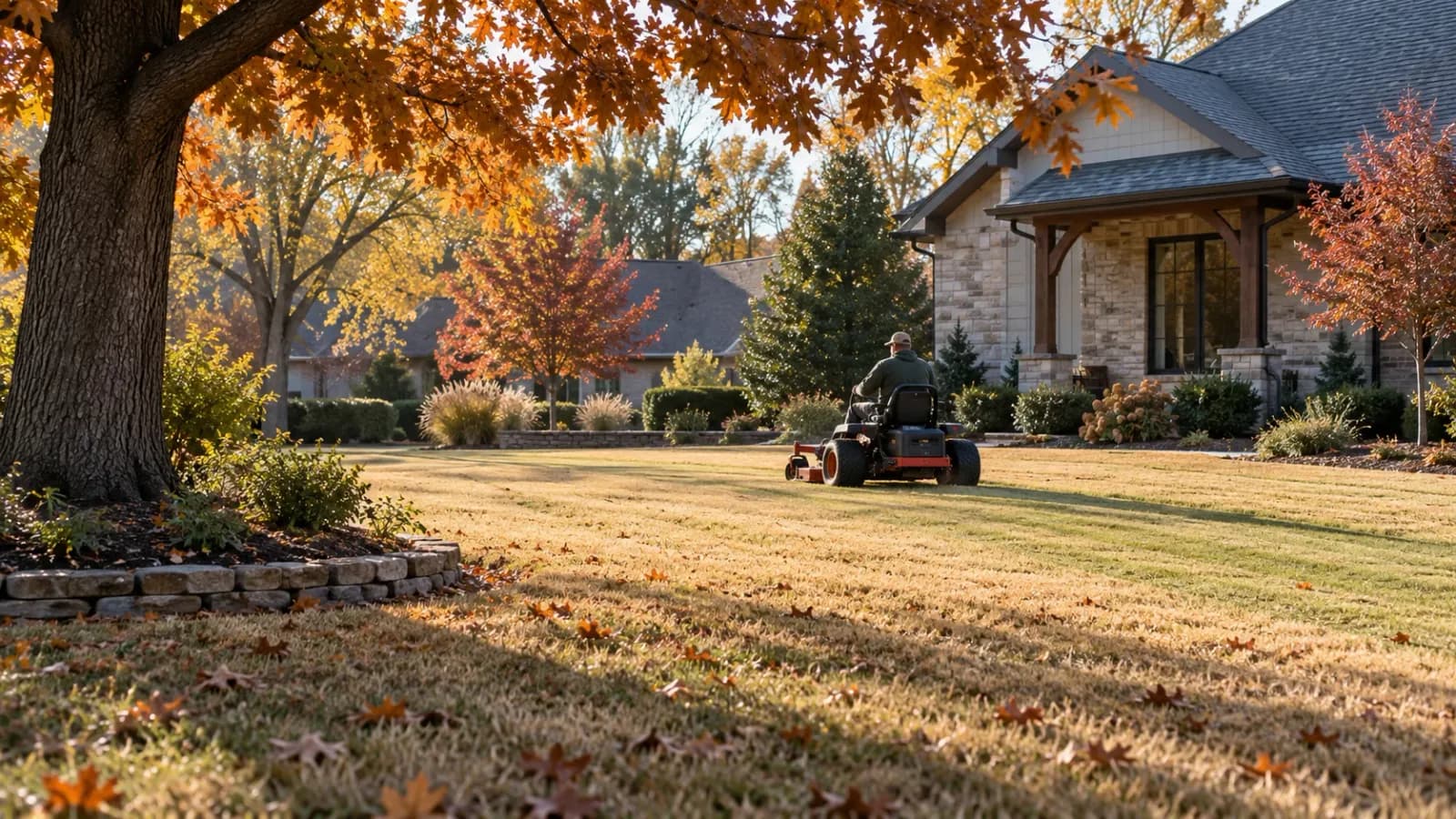
Keep mowing Bermuda grass at its normal height until the first frost turns it brown, usually early November in Tulsa. Then you can put the mower away.
· Tulsa, Jenks, Bixby, Glenpool, Sapulpa, Sand Springs
The short answer
Stop mowing when your Bermuda grass stops growing, which happens after the first frost. In Tulsa, the average first fall frost lands on November 3, according to the National Weather Service's records going back to 1906. Most years, that puts the last mow of the season somewhere in late October or the first week of November.
Until then, keep mowing on your normal schedule at your normal height. Bermuda is a warm-season grass. It keeps growing through a mild October, and a lawn left alone for three weeks before frost goes into winter shaggy and uneven.
How to tell your lawn is done for the year
You don't need a calendar date. Watch the grass.
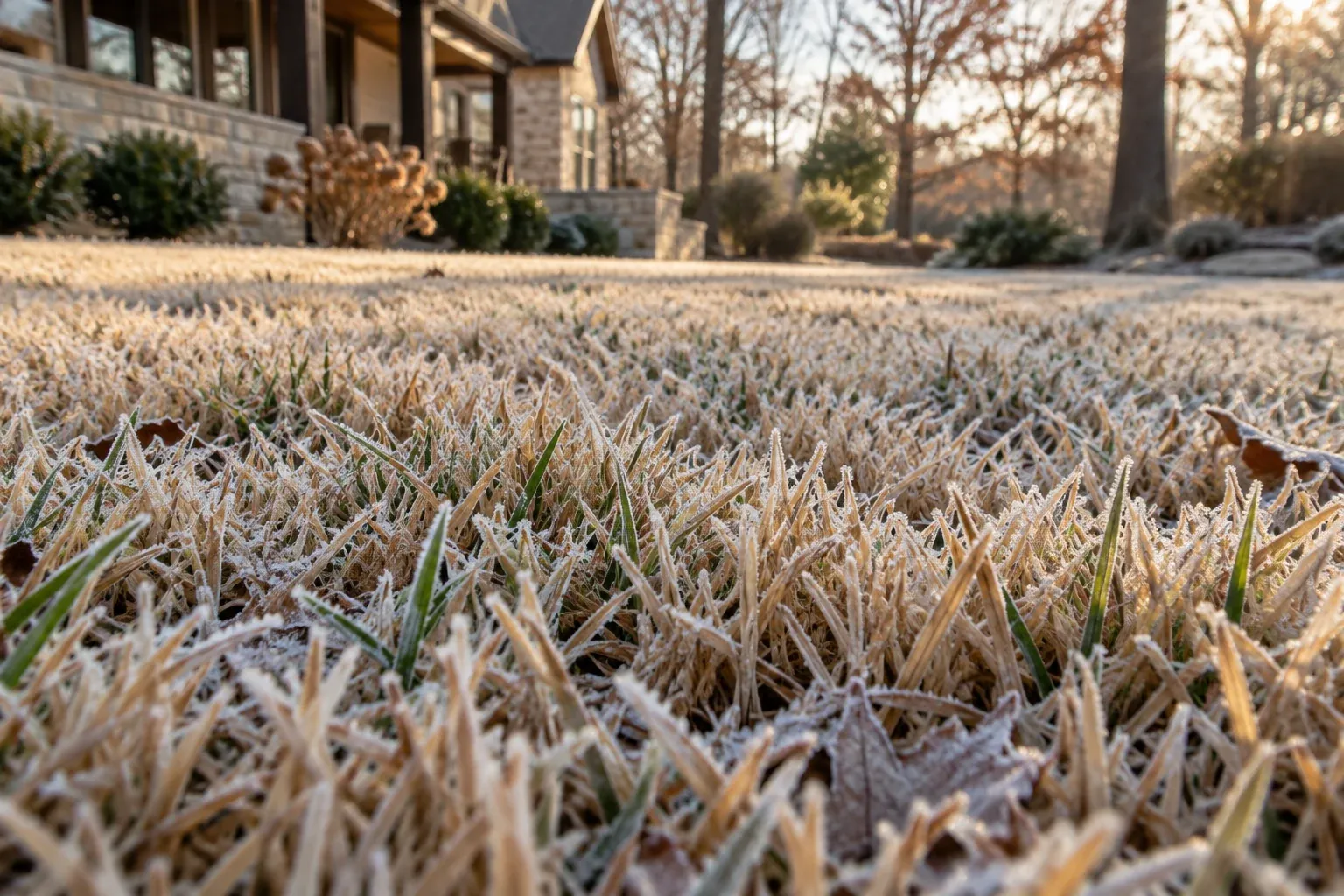
- The color turns. After a frost, Bermuda goes tan or straw-colored. That is dormancy, not a dead lawn, and it greens back up in spring.
- It stops needing a cut. If a week passes and the lawn looks the same height as it did after the last mow, growth has stopped.
- Nights stay near freezing. Once lows sit in the low 30s, Bermuda shuts down for the season.
Frost doesn't arrive on the same night everywhere. Cold air settles in low spots and open lots first, so a yard at the bottom of a slope can frost before one tucked between houses and trees. The earliest fall freeze on record in Tulsa came on October 7, 2012, and the latest on November 28, 1990, so a warm fall can stretch the season by weeks.
What to do for the last few mows
Keep the height steady
Don't scalp the lawn on the final cut to "get ahead" of spring. Cutting far below your usual height removes leaf the grass needs to store energy before winter. Kansas State University's lawn guide puts it simply: never remove more than one-third of the grass blade in a single mowing.
If your lawn has grown tall because of a wet stretch, bring it down over two or three mows instead of one.
Keep leaves off the grass
Late October is when Tulsa-area trees start dropping. A thick mat of leaves on a lawn through November blocks light and holds moisture against the grass. Mowing over a light layer of leaves and leaving the shredded pieces is fine. A heavy layer needs raking, blowing or bagging.
This is the part of fall yard work most homeowners fall behind on, because the leaves keep coming for weeks after the grass stops growing.
Plan next year's feeding instead
Bermuda is heading into dormancy, so late fall isn't the time to push new growth. Mississippi State's extension service suggests using fall for a soil test, so you know what the lawn needs before next summer.
What about fescue under the trees?
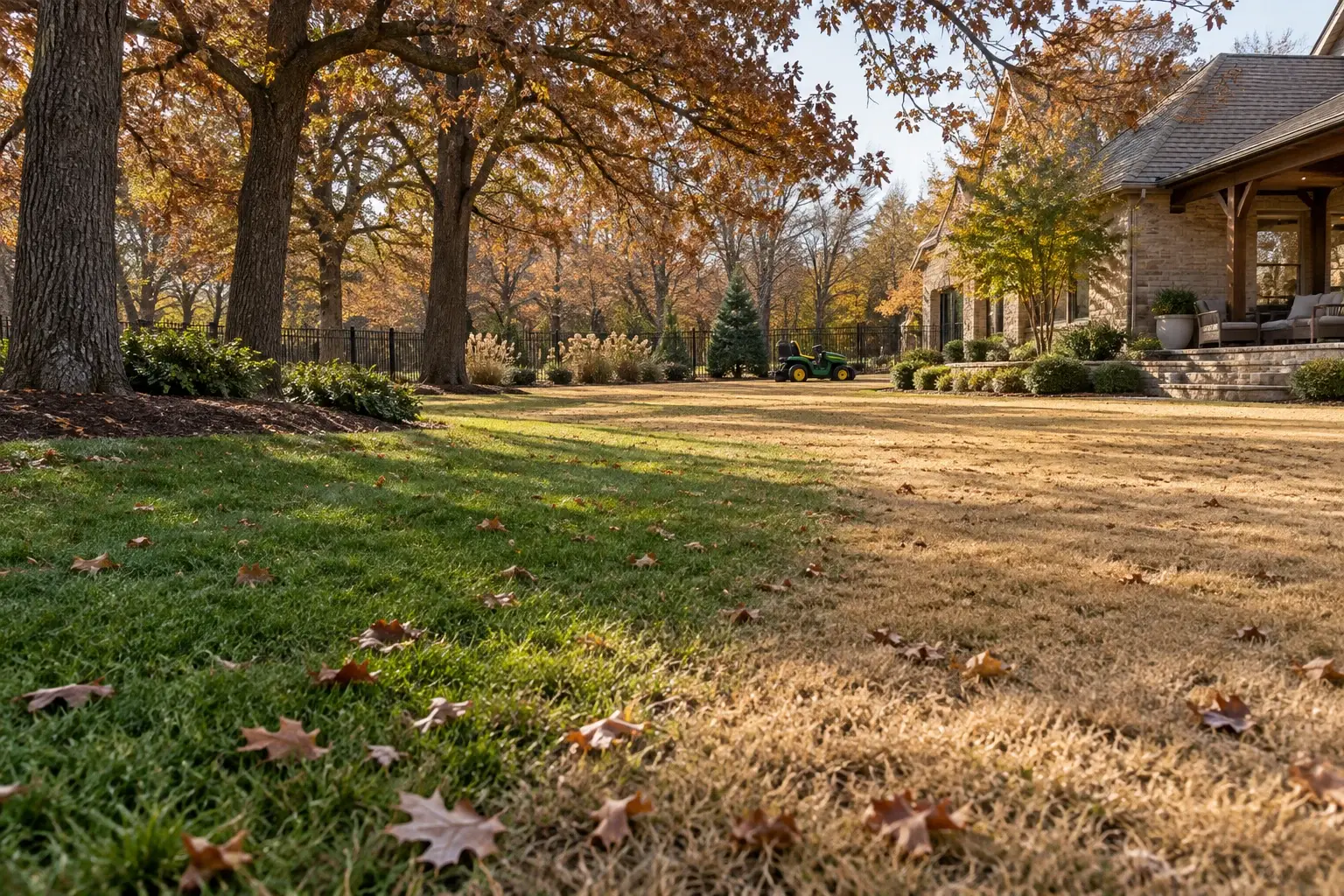
Plenty of Tulsa-area yards mix Bermuda in the sun with fescue in the shade. Fescue keeps growing through fall and into mild winter weather, so those patches may need a mow or two after the Bermuda has gone brown. Mow them at your normal fescue height and leave the dormant Bermuda alone.
When mowing starts again
Spring flips the same rule around. Tulsa's average last spring frost is March 29. Bermuda wakes up as the soil warms after that, and the first real mow usually comes in April once the lawn greens up and starts growing evenly.
Common questions
Should I cut my grass short before winter?
No. Mow at your normal height and don't remove more than a third of the blade at once. A scalped lawn goes into winter with less leaf and recovers slower in spring.
Is my Bermuda grass dead if it turns brown in November?
Almost certainly not. Bermuda goes dormant after frost and turns tan until spring. It greens back up as the soil warms, usually in April around Tulsa.
Do I need to keep mowing if the leaves are falling?
If the grass is still growing, yes. Mowing over light leaf fall also shreds the leaves so they break down. Heavy leaf cover should come off the lawn before it mats down.
When is the first frost in Tulsa?
The National Weather Service's average date for Tulsa's first 32-degree night is November 3. It has come as early as October 7 and as late as November 28.
Getting it off your list
If you'd rather not chase the last mows and the leaf cleanup yourself, our lawn care plans cover mowing, edging and seasonal cleanup in Jenks, Bixby, Glenpool, Sand Springs and Sapulpa. You can also book a single fall cleanup without a plan. Send us a few photos and we'll put the work and the price in writing.
Sources: National Weather Service Tulsa, frost and freeze climatology · Kansas State University, Mowing Your Lawn (MF1155) · Mississippi State University Extension, Fall Lawn Guide